Coffee class

COFFEE.
A CLOSER LOOK.

Seventeen words you’ll meet on coffee bags and in brew guides. Plain English first, then the good stuff for the curious. Pull up a stool.

01 — The flavors you'll notice

Tasting notes

Like how a wine can taste of cherry without any cherries in it.
On your tongue
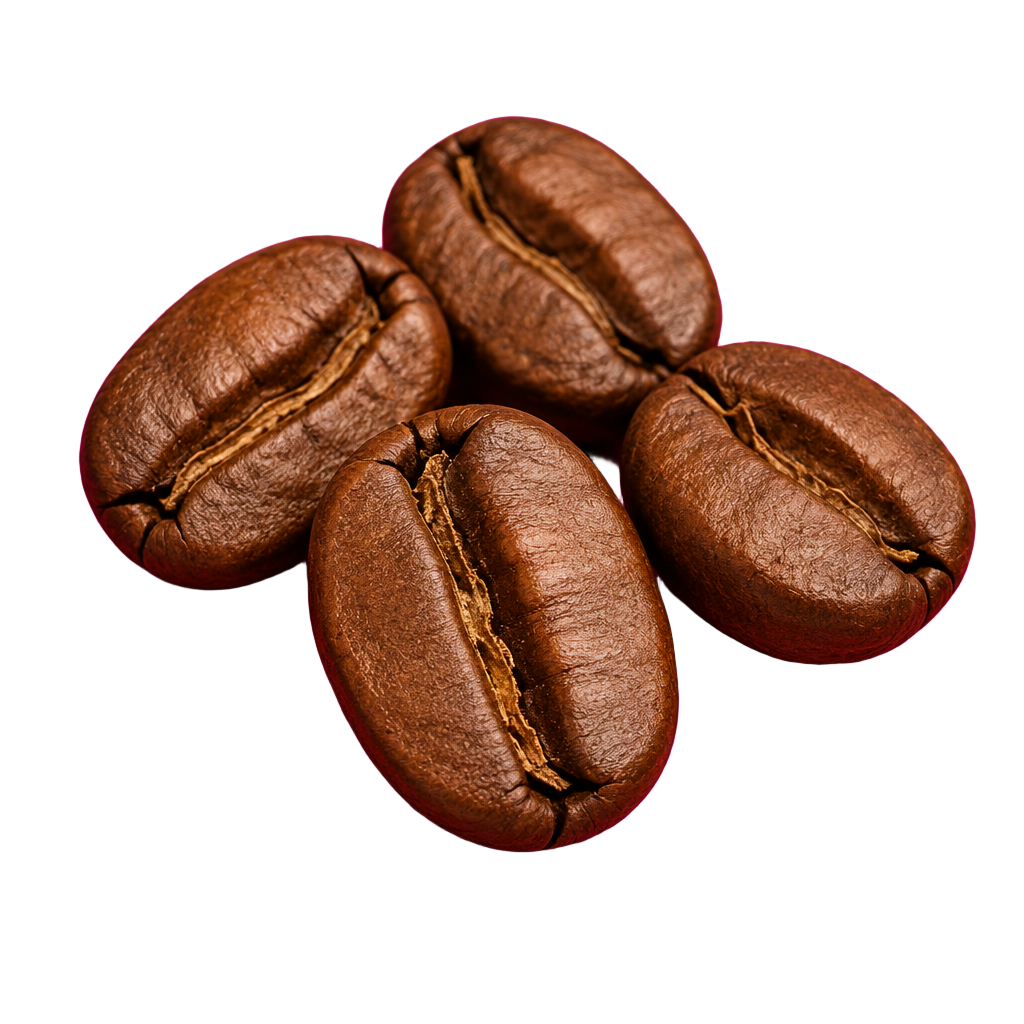
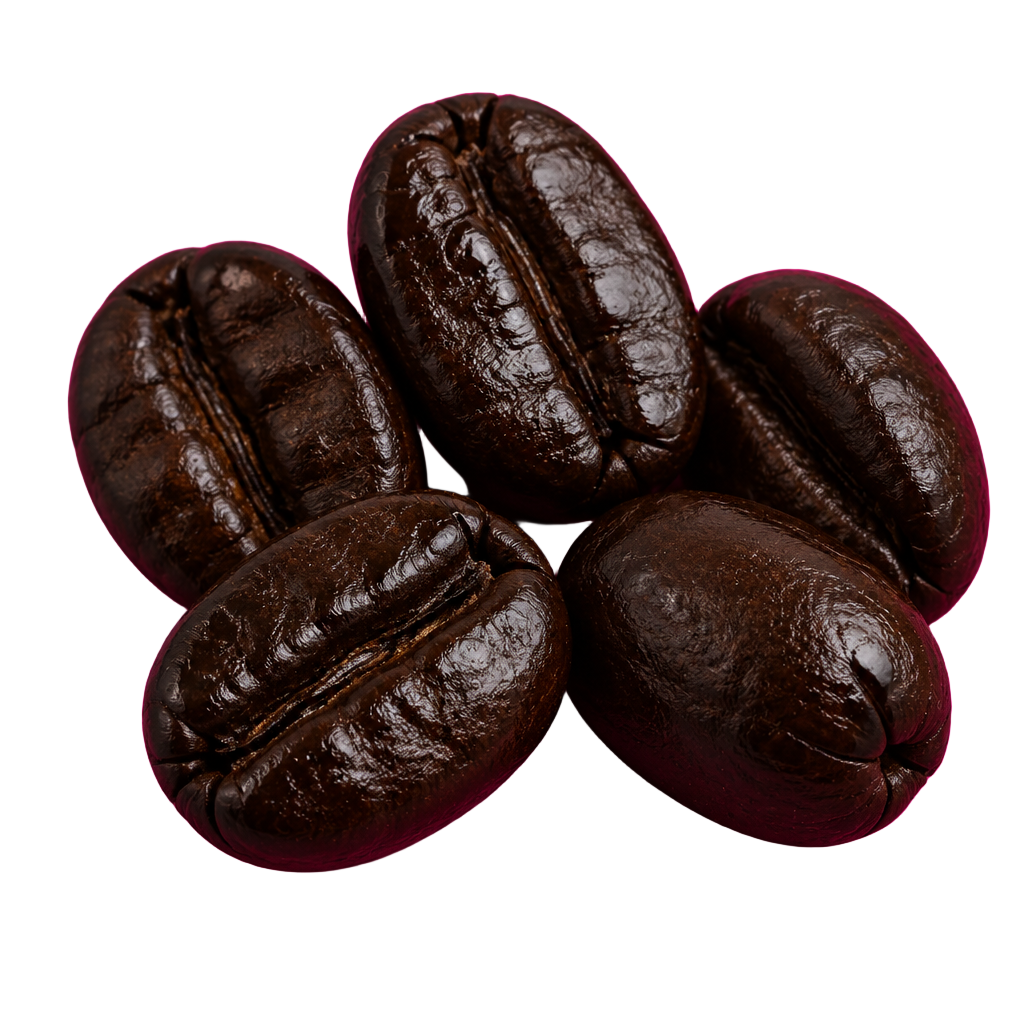
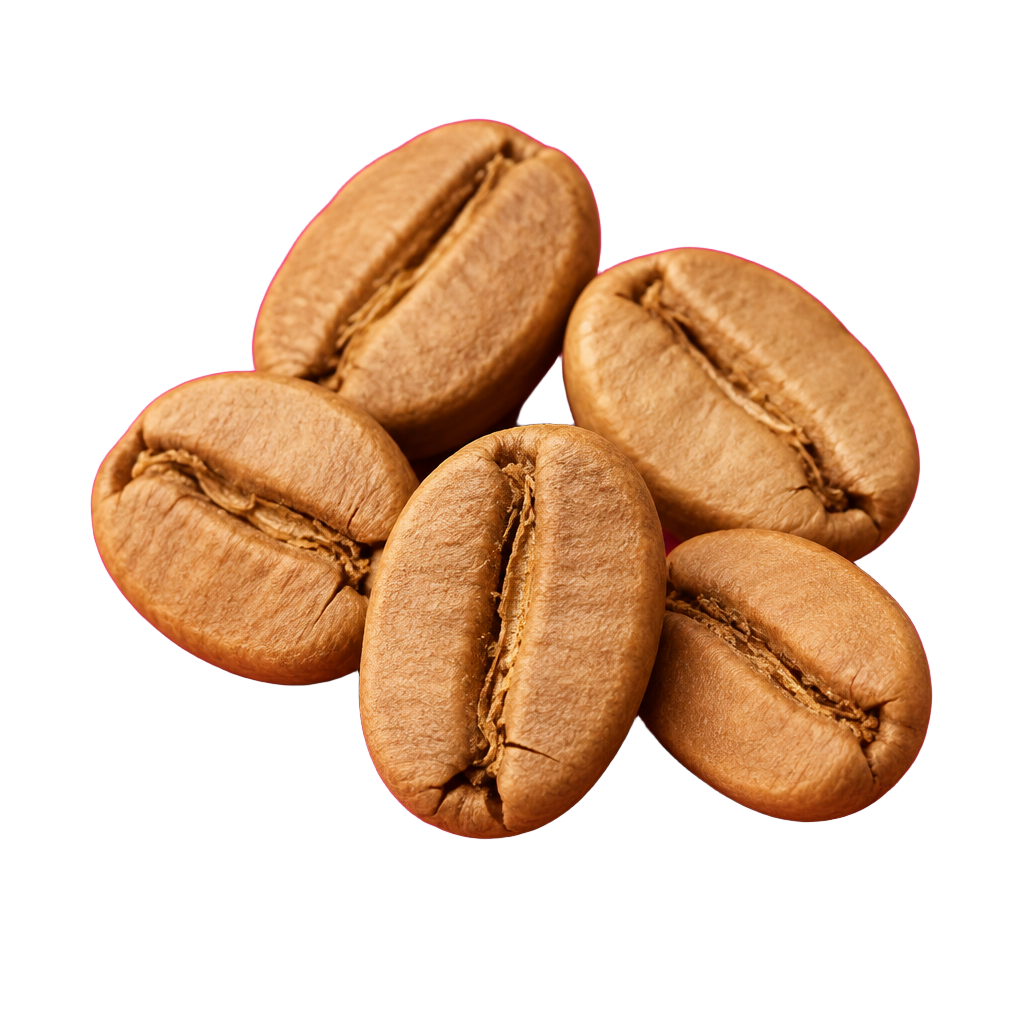
Light roasted coffee beansMedium roasted coffee beansDark roasted coffee beans

Flavors the roaster notices in the cup — like “chocolate” or “berry.” Nothing is added; it’s just how the coffee naturally tastes.

Cocoa-like aroma and a comforting roast character. A description of perception, not a chocolate ingredient.

Try thisPick a bag by its notes. Love dessert? Look for chocolate, caramel, nutty.

A little deeper +

Researchers have identified hundreds of volatile compounds in coffee; their concentrations and combinations influence aroma. A count alone cannot tell you how complex a cup will taste. Pros 'cup' with the SCA protocol and describe aromas with its flavor wheel: sweet tastes on the tongue, aroma through the back of the nose (retronasal smell). Slurp loudly — it sprays coffee across your palate and pulls aroma up.
02 — A bright, juicy sparkle

Acidity

Like biting a crisp green apple.

On your tongue
Light roasted coffee beansMedium roasted coffee beansDark roasted coffee beans

Not sourness — a bright, lively feeling on your tongue that makes coffee taste fresh.

A softer impression, like ripe pear rather than lemon. Low perceived acidity does not mean acid-free.

Try thisLighter roasts usually keep more of it. Prefer smooth? Lean medium or dark.

A little deeper +

Different acids taste different: citric can recall citrus and malic can recall apple. Organic-acid balance changes during roasting. Perceived brightness depends on aromas, sweetness, water chemistry and brewing too; origin alone doesn’t set it.

03 — How heavy it feels

Body

Thin like tea, or rich like whole milk.

On your tongue
Light roasted coffee beansMedium roasted coffee beansDark roasted coffee beans

How thick or full the coffee feels in your mouth.

A light, delicate texture. Paper filtration often gives this impression by retaining particles and some oils.

Try thisFrench press and espresso give more body. Pour-over feels lighter.

A little deeper +

Body comes from dissolved solids, oils and tiny insoluble particles. Paper filters trap oils (lighter body); metal filters and espresso let them through (heavier). Processing and roast can influence texture, and roast often shapes texture more than where it grew.

04 — Natural sugar from the fruit

Sweetness

Like the gentle sweetness of a ripe pear.

On your tongue
Light roasted coffee beansMedium roasted coffee beansDark roasted coffee beans

Coffee is the seed of a fruit, and a well-grown, well-roasted coffee can taste naturally sweet — even with no sugar added.

Try thisTry your next cup black first. You might not need sugar.

A little deeper +

Green Arabica commonly contains sucrose, though concentration varies by variety and growing conditions. Roasting caramelizes those sugars and drives Maillard reactions — the same chemistry as toast and seared steak. Much of the sugar changes during roasting; perceived sweetness also comes from sweet-associated aromas and the balance of bitterness and acidity.

05 — The taste that lingers

Finish

Like the last note of a song.

On your tongue
Light roasted coffee beansMedium roasted coffee beansDark roasted coffee beans

What stays in your mouth after you swallow. Good coffee leaves a clean, pleasant aftertaste.

Try thisBitter, harsh finish? Your water may be too hot or your grind too fine.

A little deeper +

Also called aftertaste. Pros judge length (how long it lasts) and quality (clean vs. ashy or drying). Astringency is a drying sensation distinct from bitterness. Extraction and uneven grinding can contribute, but the coffee itself and brew water also matter.

06 — From one place

Single origin

Like a wine labelled by region — sometimes right down to one vineyard.

Where it grewMountain landscape where coffee grows

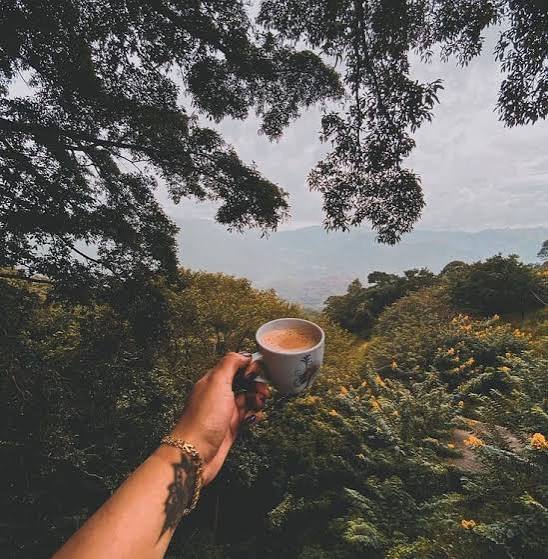
Coffee from one country, region, or even one farm. It shows off a unique local flavor.

A broad geographic source can include several producers and varieties.

Try thisGreat for exploring. Try Ethiopia vs. Colombia side by side.

A little deeper +

The narrower the source, the more traceable it is: country → region → washing station → farm → a single 'micro-lot' picked on specific days. Micro-lots are often where the most distinctive flavors turn up — but a smaller source is not automatically a better coffee.

07 — Several coffees mixed

Blend

Like a chef's signature sauce.

Where it grewMountain landscape where coffee grows

Coffees from different places combined for a balanced, consistent taste.

Try thisPerfect for every day and espresso drinks with milk.

A little deeper +

Roasters blend for balance and consistency across seasons, since each origin’s harvest lands at a different time of year. A classic espresso blend pairs a chocolatey Brazil for body with a brighter Ethiopia or Colombia for lift.

08 — How high it grew

Altitude

Like a slower-ripening orchard — more time on the tree, not a guarantee of a better apple.

Where it grewMountain landscape where coffee grows

Cooler growing conditions can slow coffee ripening. Altitude is useful context, not a guarantee of sweetness or quality.

Try thisBags often list meters (masl). Compare altitude alongside variety, processing and the roaster’s notes, rather than using a height cutoff.

A little deeper +

Measured in masl (meters above sea level). Higher sites are often cooler, but latitude, shade, rainfall, variety and farming also shape development. Slow ripening can affect seed density and composition; higher is not automatically better.

09 — The type of coffee plant

Variety

Like choosing Honeycrisp over Granny Smith.

Where it grewMountain landscape where coffee grows

Just like apples (Fuji, Honeycrisp), coffee plants come in types — Bourbon, Gesha, Typica — each with its own tendencies in the cup.

Try thisGesha is famous for floral, tea-like flavor — a special treat.

A little deeper +

Many specialty coffees are Arabica, but fine-quality Robusta exists too. Typica and Bourbon are historically important Arabica groups. SL28 can show fruit-like acidity; Gesha can be floral. Genetics, environment and processing interact, so variety is not a flavor guarantee.

10 — Clean and crisp

Washed

Like sparkling water vs. juice.

What the fruit went throughHands sorting coffee cherries

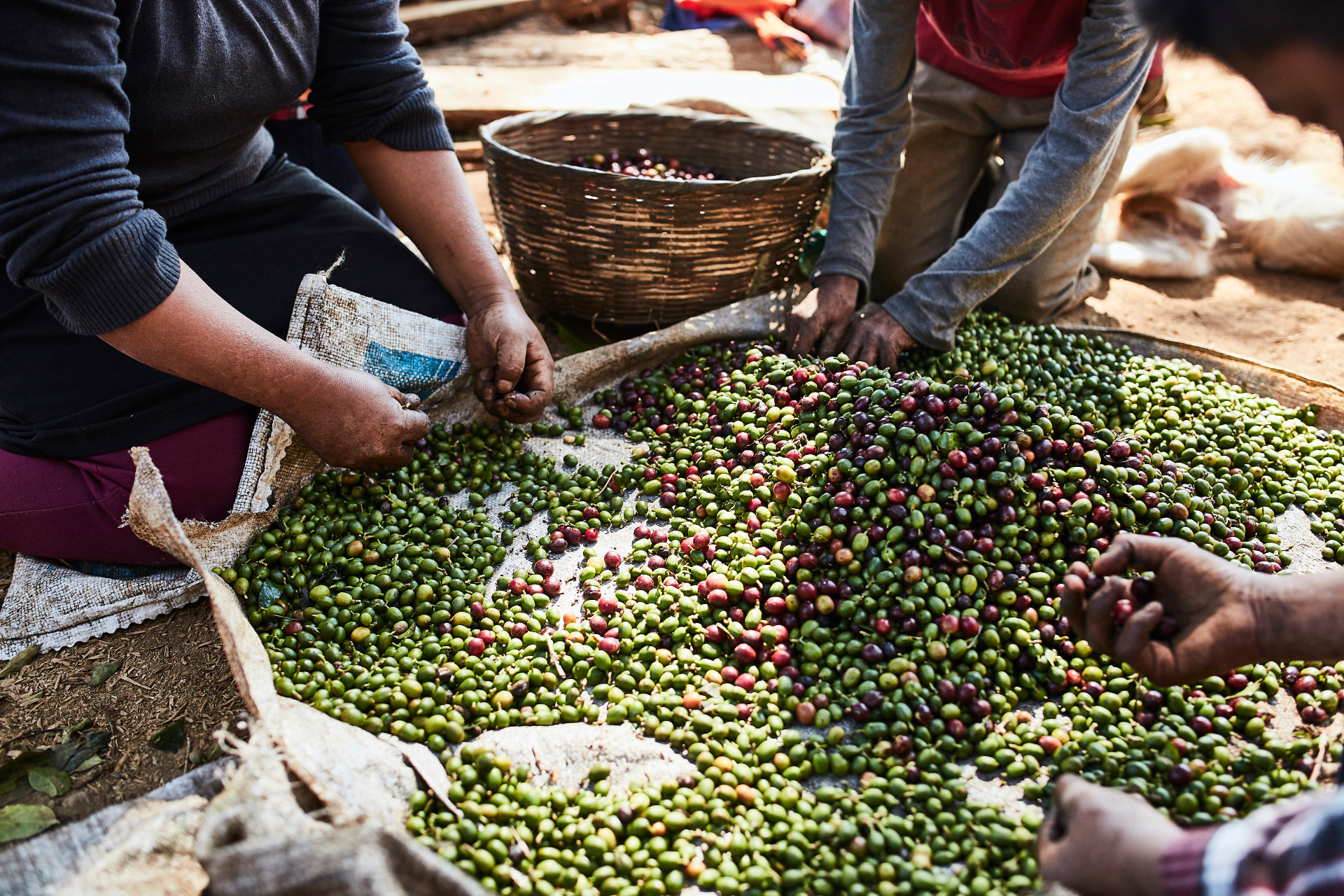
The fruit is removed and the seed washed before drying. Clean, clear flavors are common associations, but the producer’s choices and the coffee itself still matter.

The cherry skin and most flesh are removed using a pulper.

Try thisChoose washed if you like clean, bright, tea-like cups.

A little deeper +

After pulping, mucilage is removed through fermentation and washing or mechanical methods. Fermentation can happen with or without added water, and timing varies. Removing the fruit early is often said to let origin, variety and acidity show more clearly.

11 — Often fruity and bold

Natural

Like a sun-dried raisin — sweeter, jammier.

What the fruit went throughHands sorting coffee cherries

The whole coffee cherry dries in the sun with the seed inside, while fruit, microbes and drying conditions influence flavor development.

The seed stays inside the whole fruit as drying begins.

Try thisLove berry flavors? Naturals are a good place to start.

A little deeper +

A long-established method: cherries dry whole, often on beds or patios. Time varies with weather and technique. Turning, airflow and moisture control reduce defects. Fruit-like or wine-like aromas can appear, but the result depends on the lot.

12 — Often sweeter

Honey process

Halfway between washed and natural.

What the fruit went throughHands sorting coffee cherries

No honey involved! Some sticky fruit is left on the seed while drying, which can encourage sweet-associated flavors, depending on drying and fermentation.

The outer skin is removed. No honey is added.

Try thisA great middle ground: sweet but still clean.

A little deeper +

Closely associated with Costa Rican production, honey processing retains some mucilage during drying. Yellow, red and black names vary by producer: they are not universal measures of fruit quantity or sweetness. Drying, fermentation and local conditions influence the cup.

13 — When it was roasted

Roast date

Like a banana — it needs a few days after picking to come into its own.

What the fruit went throughHands sorting coffee cherries

The roast date helps you judge age. Coffee often benefits from resting after roasting; the best time to brew depends on the coffee, storage and method.

Roasting creates gas inside the bean. Very fresh coffee may release enough CO₂ to make brewing less consistent.

Try thisAlways check the roast date, not just an expiry date.

A little deeper +

Fresh-roasted beans release CO₂ for days ('degassing'). Filter often needs several days of rest; espresso can benefit from longer. Some light roasts need weeks. These are starting points, not fixed peak windows. Store airtight, cool and dark — never in the fridge, where moisture and odors creep in.

14 — How fine the beans are

Grind size

Like sand for espresso, sea salt for French press.

In your kitchenCoffee prepared for brewing

Fine grounds brew fast (espresso); coarse grounds brew slow (French press). Match grind to method.

Medium — A starting point for many filter methods; adjust to your brewer and taste.

Try thisBitter? Go coarser. Sour? Go finer. Weak? Use more coffee.

A little deeper +

Grinding exposes surface area. More surface means faster extraction, which is why espresso needs powder-fine grounds for its 30-second shot. Burr grinders cut evenly; blade grinders shatter beans into dust and boulders that brew unevenly.

15 — Coffee to water

Ratio

Like a recipe — 1 scoop per mug.

In your kitchenCoffee prepared for brewing

How much coffee you use for how much water. A simple start: 1 gram of coffee to 16 grams of water.

240 gbrew water

A filter-brew starting recipe, not an espresso yield. Change the ratio to explore strength; grind, water and technique still matter.

Try thisAbout 2 tablespoons per 6 oz cup if you don't have a scale.

A little deeper +

Filter ratios around 1:15–1:18 are common starting recipes. Strength (total dissolved solids, or TDS) measures how concentrated the drink is; extraction yield measures how much material left the grounds. They are different quantities. Weighing gives more repeatable recipes than scoops, and taste should guide adjustments.

16 — The first little pour

Bloom

Like letting dough rise before baking.

In your kitchenCoffee prepared for brewing

Pour a little hot water first and wait 30 seconds. Gas escapes and the coffee brews more evenly.

Try thisLots of bubbles usually means freshly roasted coffee — a small bloom isn’t proof it’s stale, though.

A little deeper +

Use about twice the coffee's weight in water (30 g for 15 g of coffee) and wait 30–45 seconds. CO₂ bubbles push water away; letting them escape first means even extraction. A small bloom is not proof of staleness: roast, resting time, grind and brewing technique all affect visible gas.

17 — Freshness choice

Whole bean vs. ground

Like a whole apple vs. sliced apple.

In your kitchenCoffee prepared for brewing

Whole beans hold their aroma much longer than ground coffee, which starts fading within days of grinding.

Try thisNo grinder? Buy ground in small bags and use within two weeks.

A little deeper +

Grinding exposes more surface area to air, accelerating aroma loss and oxidation. Changes are gradual and depend on packaging, temperature and storage. Grinding just before brewing is the easiest freshness win.