
Where to Sell Green Coffee: How Producers and Importers Reach Real Buyers
October 4, 2026
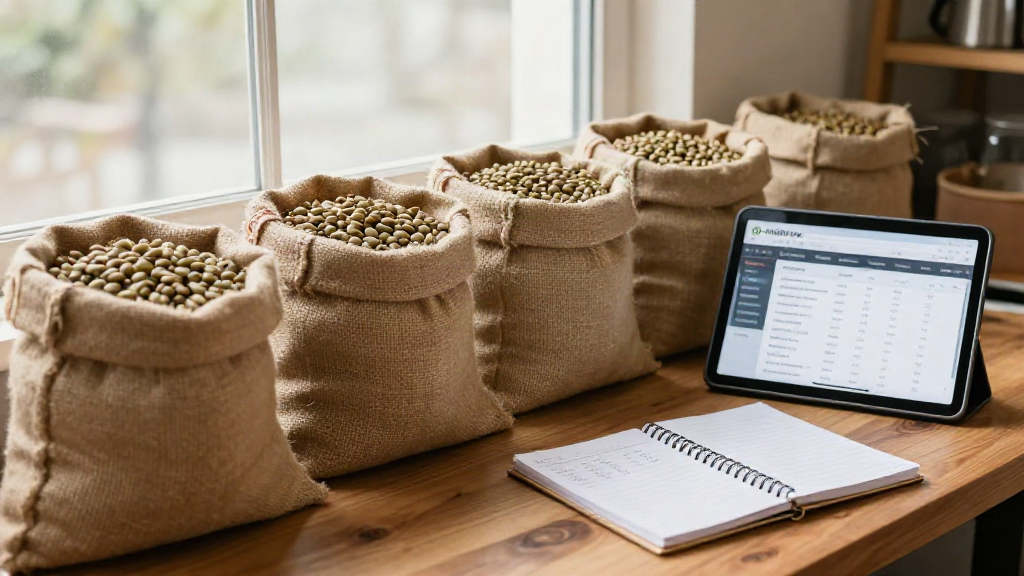
If you grow, process, import, or export coffee, the hardest part of selling green coffee is rarely the coffee itself. It is getting a buyer to see it before the lot is gone. Most producers and importers still sell through email lists, WhatsApp groups, broker contacts, and whatever trade channel they inherited. Those routes work - until they don't. So the real question is not just where to sell green coffee, but where buyers are already looking for it.
This is a practical guide for producers, exporters, importers, and anyone moving green coffee into the market. It covers what a lot actually needs to sell, how to reach roasters who are actively buying, and how a connected marketplace changes the mechanics of getting found.
Start with the question: where do green coffee buyers actually look?
Buyers - roasters, green buyers, cafe owners, and larger coffee brands - look for green coffee in a handful of places:
- Direct relationships with producers, exporters, or importers they already trust
- Broker and importer lists circulated by email or message groups
- Industry directories of green coffee suppliers online
- Search for a specific origin, process, variety, or score
The last one matters more than most sellers assume. A roaster who needs a washed Ethiopian lot for a spring release does not wait for a list to arrive. They search. If your coffee is not represented in the place they are searching, you are competing for attention in inboxes instead of showing up where demand already exists.
That is the core problem a green coffee marketplace solves. Instead of pushing offers into a limited network, you publish what you sell and let buyers find it while they are already looking.
What buyers need to see before they commit
Green coffee is not an impulse purchase. A buyer is evaluating risk: will this lot cup the way it is described, arrive when promised, and fit what they already have on the menu? Before you list anything, make sure the essential facts are present and easy to read.
Identity and origin Country, region, farm or washing station, and altitude. Buyers want to know exactly where this coffee came from, not just the country.
Process and variety Washed, natural, honey, anaerobic - and the variety or varietal mix where it is known. Process is often the first filter a buyer applies.
Cup profile and score Tasting notes, cup score if available, and any relevant certifications. Give buyers the vocabulary to compare your lot against what they already buy.
Volume and lot details Available quantity, bag size, screen size, moisture, and harvest or crop year. A buyer cannot place a lot into a production plan without knowing how much exists.
Availability and timing When it ships, where it ships from, and what the packaging looks like. Confirmed availability is what separates a real offer from a maybe.
Price or price basis A clear ask, or a transparent basis for negotiation. Vague pricing slows every deal.
When those details are complete, a lot can be evaluated on its own merits. When they are missing, a buyer moves on to the next listing.
How to sell green coffee to roasters who are actively buying
The sale does not start with a pitch. It starts with structure.
1. Publish one clear listing per lot
A single, well-organized listing communicates more than a scattered email thread ever will. Include the identity, process, cup notes, volume, and availability facts above. Treat the listing as the source of truth a buyer can return to.
2. Let your listing carry the search terms buyers use
Buyers search by origin and process - "washed Colombia Huila," "natural Ethiopia Guji," "Honduras micro-lot." Use those exact terms in your listing so it surfaces when someone is already hunting for that profile, not only when they recognize your name.
3. Keep your own checkout and your own terms
One advantage of listing through a marketplace rather than dumping inventory into an anonymous bulk channel is that you stay in control. You publish what you sell, keep your own checkout, and manage pricing, minimums, and shipping on your terms. The marketplace handles distribution and discovery; you keep the commercial relationship.
4. Answer sourcing requests directly
Buyers often post what they are looking for - a specific origin, process, or volume window - rather than browsing everything. When you can respond to an open sourcing request with a matching lot, you skip the cold outreach entirely. That is buyer discovery working in your favor.
5. Manage matches and conversations in one place
Once a buyer shows interest, the follow-up is where deals are won or lost. Keeping matches and conversations in one dashboard means fewer details fall through the cracks and faster responses when a buyer is ready to move.
Why scattered selling limits how much green coffee you move
The traditional route - brokers, forward lists, and personal networks - is not wrong. Those relationships are valuable and worth keeping. The limitation is scale and reach. Every new buyer you want to reach depends on being introduced, and every lot competes against dozens of other offers arriving in the same inboxes at the same time.
A connected coffee marketplace changes the direction of the search. Instead of you chasing buyers, buyers who are already looking for your origin, process, or profile find your lot. For green coffee importers and producers, that is the difference between working a network and working a market.
This is also where a coffee marketplace for roasters earns its place. Roasters want one place to search live inventory, compare lots, post what they need, and manage conversations - rather than opening a dozen supplier websites to assemble a single production plan. A coffee inventory matching platform connects the two sides: what you list against what buyers are searching for.
A short checklist before you list your next lot
- Origin, region, and farm or washing station confirmed
- Process and variety stated
- Cup profile and score included where available
- Volume, harvest year, and moisture documented
- Availability and shipping details clear
- Price or pricing basis decided
- Listing written in the search terms buyers actually use
- Checkout, minimums, and terms set on your side
- Conversations and matches tracked so no interested buyer goes cold
Where to sell green coffee, answered
You sell green coffee where serious buyers are already looking. That means publishing each lot with enough detail to be evaluated, keeping your own checkout and terms, and meeting demand where it is searching instead of only where you already have contacts.
Hightower is a connected coffee marketplace built for exactly this. As a seller, you publish what you sell and keep your own checkout. As buyers search live green and roasted inventory, post sourcing requests, and manage matches and conversations from one dashboard, your lots have a path to the people who need them.
List your next lot, keep your terms, and let buyers find you.