
Green Coffee Sourcing FAQ: What Buyers and Sellers Ask Before Going Wholesale
September 24, 2026
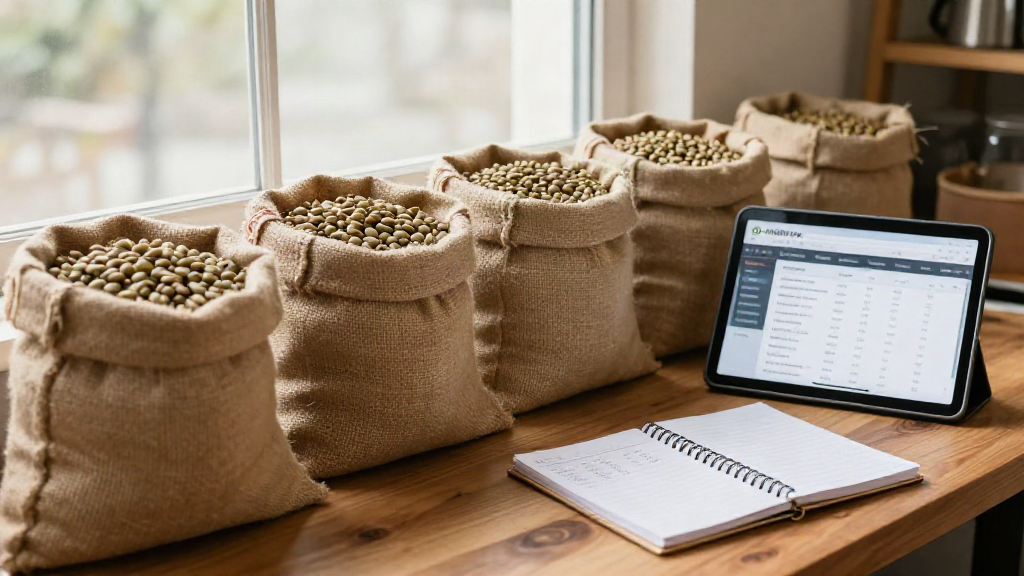
Green Coffee Sourcing FAQ: What Buyers and Sellers Should Know
Sourcing green coffee should not require piecing together information from fifteen browser tabs, supplier spreadsheets, email threads, PDFs, and messages.
Yet coffee discovery is still fragmented.
Roasters, café owners, importers, exporters, producers, and suppliers often operate across different systems, which can make something as simple as finding the right coffee surprisingly time-consuming.
This FAQ covers some of the most common questions buyers and sellers face when sourcing green coffee wholesale.
What is a green coffee marketplace?
A green coffee marketplace is a digital platform designed to help buyers discover coffees and suppliers while helping sellers make their inventory easier to find.
Instead of visiting supplier websites individually, buyers can search coffee inventory using relevant criteria and compare potential options in one environment.
Depending on the platform, buyers may also be able to submit sourcing requests describing exactly what they need.
The marketplace acts primarily as a discovery and sourcing layer.
The actual commercial relationship, transaction, shipping, and fulfillment can remain between the buyer and seller.
How is that different from a supplier directory?
A supplier directory tells you who exists.
A coffee marketplace can go further by helping you understand what those suppliers are offering.
Directories are useful for discovering companies, but buyers may still need to visit individual websites, request offer sheets, send emails, and manually compare information.
A structured marketplace can make details such as origin, processing method, variety, score, quantity, price, availability, and location easier to search and compare.
The difference is not simply having more supplier names.
It is organizing coffee information around what buyers are actually trying to find.
How do I verify a green coffee supplier before buying wholesale?
Before committing to a significant purchase, buyers should verify both the supplier and the coffee.
Useful information can include:
- Lot details: origin, producer or cooperative, region, variety, processing method, elevation, harvest information, and other relevant specifications.
- Sample information: whether samples are available and whether the sample represents the inventory being offered.
- Quantity and location: how much coffee is available and where it is currently located.
- Commercial terms: pricing basis, payment expectations, minimum quantities, timing, and applicable logistics terms.
- Business identity: clear company information and a reliable way to communicate with the seller.
For international transactions, buyers may also need to understand applicable Incoterms, export documentation, import requirements, freight responsibilities, and other logistics details.
No marketplace listing should replace normal commercial due diligence.
What should I look for in a green coffee listing?
A useful listing should give the buyer enough information to determine whether the coffee is worth investigating further.
Depending on the lot, that may include:
- Origin and producer or cooperative
- Region
- Variety
- Processing method
- Elevation
- Harvest period
- Cup score
- Tasting notes
- Certifications
- Packaging
- Available quantity
- Price or pricing basis
- Warehouse or current location
- Sample availability
Not every coffee will have every field available.
The goal is consistent, structured information that makes different coffees easier to evaluate before buyers begin sending emails or requesting samples.
How can I buy green coffee wholesale more efficiently?
Start by defining what you need before you search.
A useful sourcing brief might include:
- Origin or preferred regions
- Flavor profile
- Processing method
- Quality or cup-score range
- Volume
- Price range
- Location
- Certification requirements
- Required timeline
Once those requirements are defined, you can search based on the actual purchase rather than browsing inventory without direction.
When several potential coffees fit the brief, request samples and evaluate them on a consistent schedule.
If you cannot find what you need through existing inventory, a sourcing request can reverse the process: describe the coffee once and allow relevant suppliers or potential matches to surface.
Where can producers, exporters, and importers sell green coffee?
Suppliers have several options.
They can sell through existing relationships, brokers, importer networks, their own websites, direct outreach, industry events, and digital marketplaces.
Each channel has advantages.
Direct relationships provide control and continuity.
Brokers can provide valuable networks.
Marketplaces can provide another layer of discovery by making inventory searchable outside the seller's existing audience.
For producers, exporters, importers, and other suppliers trying to expand their visibility, marketplaces can complement rather than replace existing sales channels.
How does inventory matching work?
The basic concept is straightforward.
The buyer describes what they need.
The seller describes what they have.
A matching system compares those two sets of information and surfaces relevant overlap.
For example, a buyer may request:
- Nicaragua
- Anaerobic process
- 86+ cup score
- Under a specified price
- Available in a particular region
If marketplace inventory contains a coffee meeting those requirements, it can be surfaced as a potential match.
The usefulness of matching depends heavily on the quality and accuracy of the underlying data.
Better listings produce better potential matches.
What can the sourcing workflow look like?
A structured sourcing workflow might look like this:
- Define the coffee you need.
- Search marketplace inventory or submit a sourcing request.
- Review relevant coffees and suppliers.
- Request or arrange samples where appropriate.
- Cup and evaluate the coffee.
- Discuss availability, pricing, and terms with the supplier.
- Complete the transaction directly through the seller's normal process.
- Maintain the relationship for future purchases.
The objective is not to eliminate human relationships from coffee.
It is to remove unnecessary friction before those relationships begin.
Is a marketplace useful for cafés buying wholesale coffee?
Potentially, yes.
Cafés may be sourcing roasted wholesale coffee rather than importing green coffee themselves, but they face a similar discovery problem.
A café might need:
- A dependable house espresso
- Rotating filter coffees
- Decaf
- Seasonal offerings
- A new roasting partner
Finding and comparing those options across many separate roaster websites can take time.
A broader coffee marketplace can make discovery easier by organizing multiple suppliers and products into a common environment.
The purchasing requirements for cafés and green-coffee buyers are different, so those categories should still be clearly separated.
Do I have to stop working with my existing suppliers?
No.
A marketplace should not require buyers to abandon good relationships.
Existing suppliers are valuable precisely because they already understand your preferences, quality requirements, ordering patterns, and business.
A marketplace can instead help with situations such as:
- Finding a backup supplier
- Filling an inventory gap
- Exploring a new origin
- Comparing alternatives
- Discovering new producers or importers
- Sourcing a coffee with unusually specific requirements
It becomes another sourcing channel rather than a replacement for everything you already use.
Why is coffee sourcing so fragmented?
Coffee moves through a complex global supply chain.
Producers, cooperatives, exporters, importers, warehouses, traders, roasters, cafés, and other businesses all maintain information in different systems.
Inventory may appear on websites, spreadsheets, PDFs, emails, WhatsApp messages, private portals, and sales sheets.
The information exists.
The difficult part is organizing it in a way that buyers can search consistently.
That is the problem Hightower Marketplace is working on.
What is Hightower Marketplace?
Hightower is a coffee marketplace and sourcing platform designed to make coffee discovery easier.
Buyers can explore coffee inventory and submit sourcing requests based on what they are trying to find.
Suppliers can make their coffees and businesses more discoverable while maintaining control over their pricing, transactions, fulfillment, and customer relationships.
Hightower's role is to organize discovery and help connect coffee supply with coffee demand.
The goal is simple:
less searching across disconnected systems and more time evaluating coffees that actually fit the request.
The short version
Define what you need before searching.
Evaluate suppliers and coffee based on real information rather than marketing claims.
Compare structured inventory where possible.
Request samples before significant purchases.
Use sourcing requests when the coffee you need is difficult to find.
And keep the supplier relationship once you find something that works.
Coffee sourcing will always involve people, tasting, trust, and relationships.
Technology can simply make finding the right people — and the right coffee — much easier.
Ready to explore? Visit Hightower Marketplace at hightowercoffee.com to discover coffee, explore suppliers, or start a sourcing request.