
Find Coffee by Flavor: Turning "I Like It Fruity" Into a Coffee You'll Actually Love
October 5, 2026
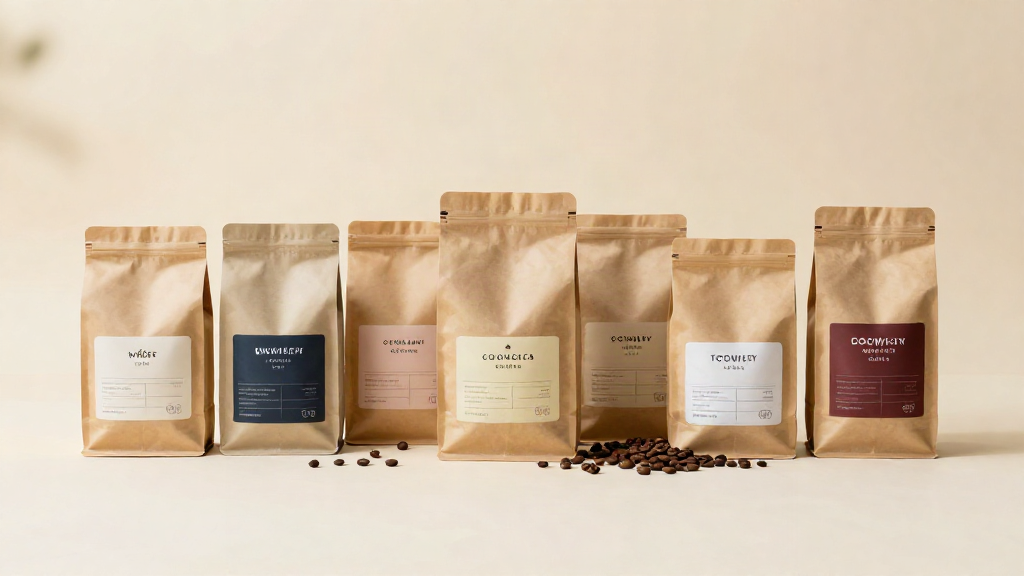
You know what you like. You just don't know what to type.
"Something fruity." "Not too bitter." "Smooth, but interesting." These are real things people say about coffee, and they are also the exact phrases that return nothing useful when you drop them into a search bar. Listings are written in a different language - flavor notes, roast level, origin, processing. The gap between those two vocabularies is the single biggest reason people buy the same safe bag forever.
Here is the good news: the translation takes about five minutes, and once you have it, you can find coffee by flavor instead of by guesswork.
Why "I like it fruity" fails
Coffee listings are not trying to be difficult. They are written for buyers who compare dozens of coffees a week, so they compress taste into shorthand: blueberry, cacao nib, jasmine, brown sugar. Each word is a claim about a specific compound in a specific bean.
Your everyday taste words are broader. "Fruity" can mean a bright, juicy pour-over or a deep, wine-like espresso. Both are fruity. They are not remotely the same cup.
So the first move is not to learn coffee jargon. It is to split your broad word into the two or three flavors hiding inside it.
The three dials behind every taste word
Most of what you like comes down to three dials. Get these right and the flavor notes start making sense.
- Roast level - light roasts keep more of the bean's origin character: fruit, florals, acidity. Dark roasts push toward chocolate, caramel, and smoke. This one dial changes more than any flavor note on the label.
- Acidity - not sourness. Acidity is the brightness that makes a coffee taste alive and juicy. High acidity reads as citrus and berry. Low acidity reads as smooth and round.
- Body - how heavy the coffee feels on your tongue. Tea-like and delicate at one end, syrupy and coating at the other.
When you say "I like it fruity," you are almost always describing high acidity with a lighter roast. When you say "smooth and not bitter," you are describing lower acidity, a medium or darker roast, and a fuller body. That is a translation you can hand to any search.
Translate your taste words into flavor notes
Use this as a starting point, then adjust by what you actually taste.
"I like it fruity"
Look for: berry, blueberry, cherry, citrus, stone fruit, tropical. Pair with a light or medium-light roast and higher acidity. Ethiopia and Kenya are the classic starting points; natural-process coffees lean juicier and more intense.
"I like it chocolatey"
Look for: cacao nib, dark chocolate, cocoa, brown sugar, molasses. Pair with a medium to dark roast and lower acidity. Brazil, Colombia, and Sumatra cover most of what you want here.
"I like it nutty"
Look for: almond, hazelnut, peanut, praline. Usually medium roast, medium body, low acidity. A dependable daily-drinker profile that plays well with milk.
"I like it floral"
Look for: jasmine, lavender, bergamot, rose, honey. Light roast, high acidity, delicate body. Wash-process Ethiopian and Panamanian coffees are where this note lives.
"I like it light and bright"
Light roast, high acidity, tea-like body, fruit and floral notes. Think pour-over, not espresso.
"I like it dark and strong"
Dark roast, low acidity, heavy body, chocolate and smoke. Comfortable with milk or as espresso, and forgiving if you do not want to think about it in the morning.
One caution: bitter is not the same as dark. If a coffee is harsh, that usually points to the brew, not the bean - grind, water temperature, and ratio all matter more than you would guess. Do not abandon a roast level before you have tried adjusting the brew.
Build a one-line taste profile
Now compress everything into a sentence you can reuse:
"Light roast, high acidity, berry and citrus notes, tea-like body - for pour-over."
Or:
"Medium-dark, low acidity, chocolate and hazelnut, full body - for espresso and milk drinks."
Write yours down. This line is better than any recommendation algorithm, because it starts from what your mouth has already told you it likes. Every time you taste something new, edit one word. That is how your profile gets sharper.
How to narrow thousands of options
A single roaster might list thirty coffees. A marketplace lists thousands across dozens of roasters and brands. That is an advantage only if you can filter, which is exactly where a structured profile pays off.
- Filter by roast level first. It removes the largest chunk of irrelevant options in one move.
- Then filter by flavor note. Search the two or three words from your profile - berry, jasmine, cacao - rather than the broad word.
- Check origin and process second. Same flavor note, different continent, different character. This is where you refine, not where you start.
- Read the note list as a whole. A coffee labeled blueberry, jasmine, honey is telling you it is bright and floral. A coffee labeled cacao, molasses, walnut is telling you it is rich and low-acid. The first word is usually the loudest.
The goal is not to find the objectively best coffee. It is to get three strong candidates that match what you already know you like, and then taste your way to the winner.
Where this pays off on Hightower
Hightower Marketplace is built for exactly this kind of search. You can browse roasted coffee across roasters and brands in one place, filter by the flavor and roast language that listings actually use, and compare options side by side instead of bouncing between twenty different shop pages.
If you buy or sell at a professional level, the same profile logic carries into green coffee. Buyers searching live green inventory can work from a defined taste target - origin, process, flavor direction - instead of scrolling every available lot. Sellers publishing what they sell benefit too: clear, specific flavor notes are what make a listing show up for the right buyer in the first place.
Common mistakes to skip
- Starting with origin. "I want an Ethiopian" is a geography search, not a taste search. Start with flavor, then let origin refine it.
- Trusting the word "smooth." It is the most overused and least specific descriptor in coffee. Replace it with acidity and body.
- Buying a whole bag on one note. If you are unsure, buy small or share a bag with a friend.
- Never revisiting your profile. Taste changes. Your one-line profile should change with it.
Your next cup
You do not need a sommelier's vocabulary to drink better coffee. You need one honest sentence about what you like, and the discipline to translate it into the words listed on the bag.
Pick your three dials - roast, acidity, body. Name two flavor notes. Write the line. Then go find coffee by flavor, and stop settling for the same safe bag.
Your taste was never the problem. The search bar was.