
Coffee by Origin: What Ethiopia, Colombia, and Brazil Actually Taste Like
October 3, 2026
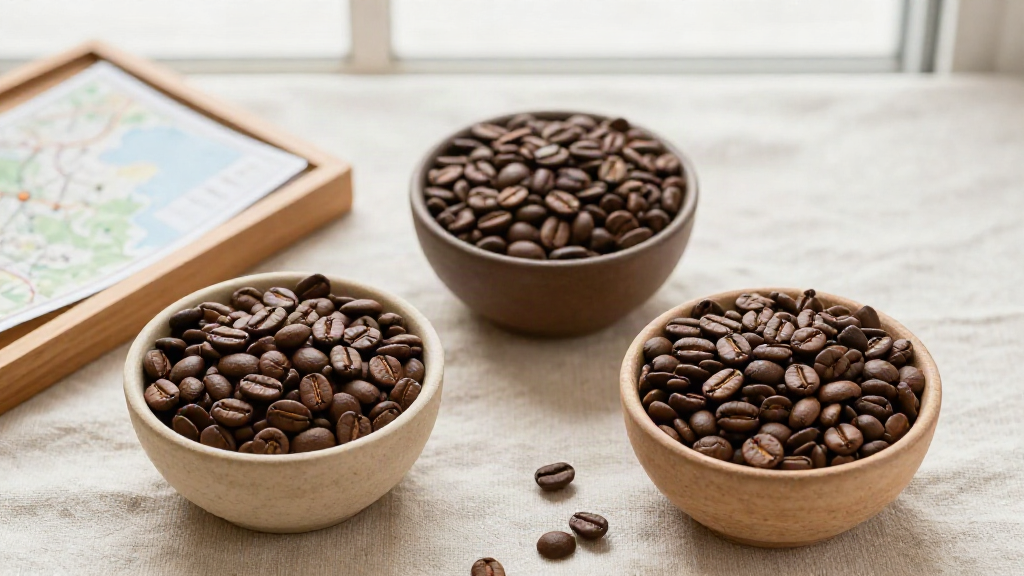
Coffee by Origin: What Ethiopia, Colombia, and Brazil Actually Taste Like
Walk into any specialty coffee shop or scroll a roaster's menu and you will hit the same wall of names: Ethiopia, Colombia, Brazil, Kenya, Guatemala, Sumatra. If you are new to buying coffee by origin, it can feel like you need a glossary just to order a bag. You do not. Origin is one of the fastest, most useful shortcuts a coffee drinker can learn, and it takes about ten minutes to understand.
This guide covers what origin actually tells you about flavor, the major regions you will see most often, and a simple way to keep track of what you like so your next bag is better than your last.
What "coffee by origin" actually means
Origin is simply where the coffee was grown. That usually means a country, but it can get more specific: a region within a country (Yirgacheffe in Ethiopia, Huila in Colombia), a single farm, or even a single plot on that farm. The more specific the label, the more the coffee tends to have a distinct, traceable character.
Origin is not a rulebook, though. It is a starting point. Two coffees from the same country can taste completely different once you factor in how and where they were grown and how they were processed after harvest.
The four things that shape flavor
Before you get to the country list, know the four levers that move flavor the most.
Region and climate. Latitude, rainfall, and soil decide a lot. Coffees from high, cool mountains ripen slowly, which usually builds more acidity and complexity. Coffees from lower, warmer areas ripen faster and lean sweeter and rounder.
Altitude. This is the one to watch on labels. Higher grown coffee (often marked 1,600 meters and up) tends to be brighter, more floral, and more layered. Lower altitudes give you heavier body and softer acidity.
Variety. Just like apples, coffee has varieties. Bourbon, Typica, Caturra, Gesha, and SL28 each carry their own tendencies, and a rare variety like Gesha is often why a bag costs more.
Process. This is how the fruit was removed from the seed, and it can matter as much as origin. Washed coffees taste clean and vivid, natural coffees taste fruity and bold, and experimental methods like honey or anaerobic fermentation push sweetness and wild flavors even further.
What the big origins taste like
Think of these as stereotypes, not laws. They are accurate often enough to be useful, and useful enough to guide your next purchase.
Ethiopia: floral, fruity, tea-like
Ethiopia is where coffee originated, and it still tastes like it. Expect jasmine and other florals, stone fruit and berries, bright citrus acidity, and a lighter body that can feel almost like tea. If a menu lists a natural Ethiopian, the fruit notes often get louder and juicier.
Colombia: balanced, sweet, familiar
Colombia is the friendly middle ground and a great place to start. You get caramel and red apple sweetness, mild citrus, a smooth medium body, and a clean finish. It is balanced enough to drink black and forgiving enough to pair with milk.
Brazil: nutty, chocolatey, smooth
Brazil grows a huge share of the world's coffee and tends to taste like comfort: chocolate, nuts, brown sugar, low acidity, and a heavier body. It is the backbone of many espresso blends, and it is an easy choice if bright acidity is not your thing. Natural Brazilians push the sweetness toward peanut brittle and dried fruit.
Kenya: bold and juicy
Kenya often lands on the opposite end of the spectrum from Brazil. Think blackcurrant, tomato-leaf savoriness, grapefruit, and a punchy, wine-like acidity. It is a love-it-or-learn-it origin and a favorite for anyone chasing intensity.
Guatemala and Central America: cocoa with a lift
Guatemala, Costa Rica, and Honduras commonly deliver cocoa and spice notes with a gentle fruit acidity and a rounded body. Balanced, dependable, and a natural next stop after Colombia.
Sumatra and Indonesia: earthy and full
Indonesian coffees, Sumatra especially, are known for earthy, herbal, cedar-like notes, low acidity, and a big syrupy body. Distinctive and polarizing, in the best way.
Why the same origin can taste different
If you buy two Ethiopian coffees and they taste nothing alike, nothing went wrong. Roast level changes everything (lighter roasts keep origin character, darker roasts push toward chocolate and smoke). Freshness matters, since coffee peaks in the first few weeks off roast. And the same country can hold wildly different microclimates, varieties, and processes from one region to the next.
That is good news. It means origin is a map, not a cage. You can fall in love with a region and still find a dozen coffees within it that surprise you.
Keep a simple origin log
The fastest way to learn your own taste is to write it down. Keep a running note on your phone or a small notebook, and for each bag record four things: origin and region, process, roast level, and whether you would buy it again. Add one line on what you tasted.
Within a handful of bags, patterns show up. Maybe you keep reaching for washed Ethiopians, or you realize Brazil is your weekday coffee while Kenya is your weekend treat. That log becomes a passport of where your palate has been, and it makes every future purchase a smarter bet.
Where to shop coffee by origin
Once you know what you are looking for, the hunt should not take an afternoon. Hightower Marketplace lets you browse live roasted and green coffee listings from different roasters and brands in one place, compare what each origin and process actually offers, and see what is available right now instead of bouncing between a dozen websites.
Start with a region that matches the profile you already like, add one bag from somewhere new, and log both. That is how a beginner becomes someone with taste. Open the marketplace, pick your first origin, and let the next bag teach you something. Explore coffees by origin on Hightower.
The short version
Origin tells you where a coffee grew, and it hints at how it will taste. Ethiopia leans floral and fruity, Colombia balanced and sweet, Brazil nutty and smooth, Kenya bold and juicy, Sumatra earthy and heavy. Altitude, variety, and process fine-tune all of it. Learn the labels, keep a simple log, and shop where the whole picture is in front of you. Your palate will do the rest.